Memory Work
With Elenita Makani
Legacy preservation and storytelling for families and communities
M.A., Museum Anthropology, Columbia University
B.A., Cultural Anthropology, Georgetown University
Anthropological Approach.
Artful Touch.
Director, Oakland Ilokana Documentary
Video Director, UC Berkeley
Former Work: American Museum of Natural history, Stanford University, Smithsonian Institution
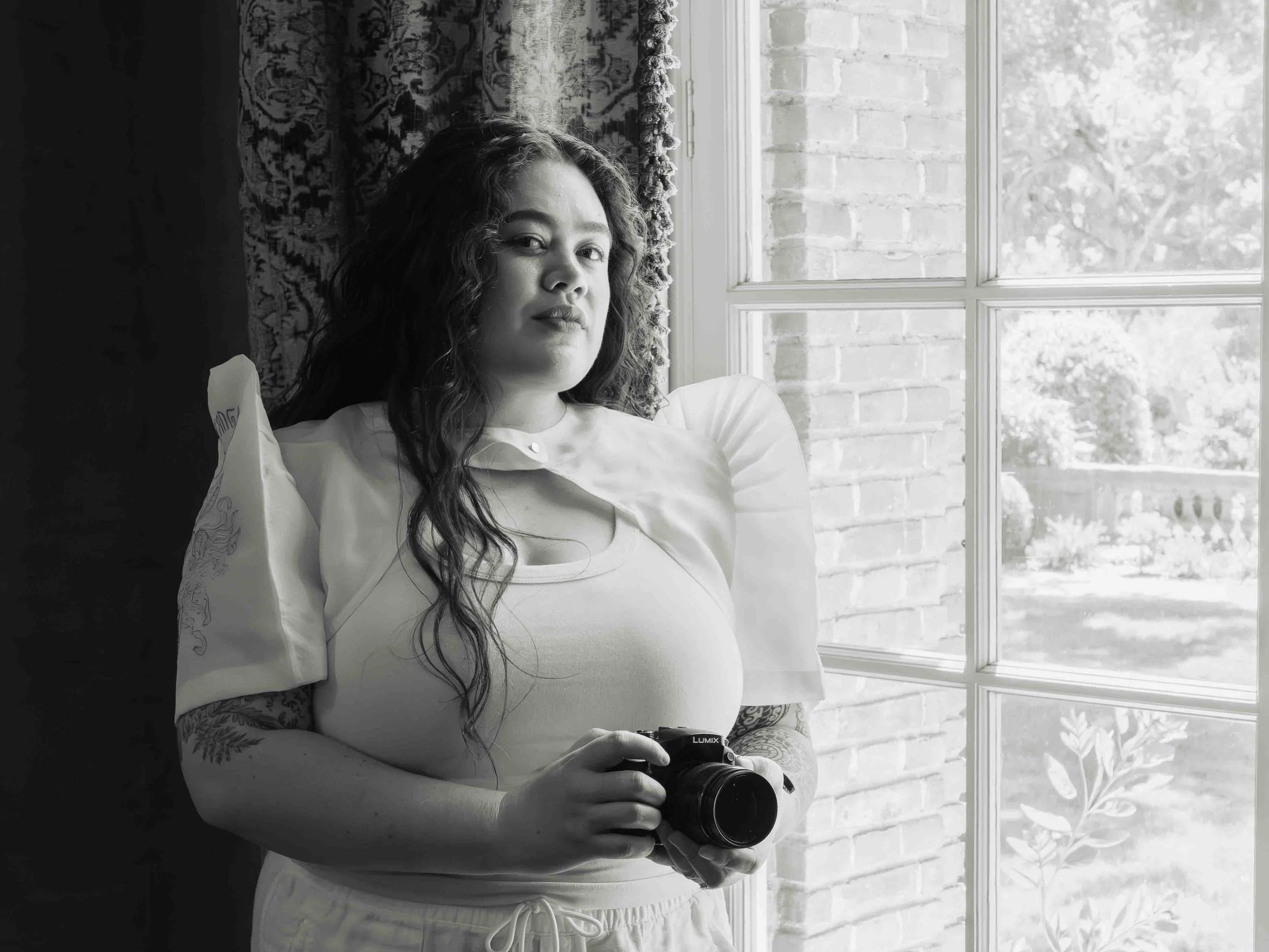
Archivist. Artist. Anthropologist.
Elenita Makani O’Malley brings the training and skills of an anthropologist, museum archivist, photographer, documentary filmmaker, and community historian to Memory Work in her mission to preserve family and community history with care.
Elenita holds a Bachelor’s degree in Cultural Anthropology from Georgetown University and a Master’s degree in Museum Anthropology from Columbia University. Currently the Video Director at UC Berkeley, she has has over a decade of experience working as a professional storyteller for institutions including Stanford University and the American Museum of National History in New York.
She recently directed and produced Oakland Ilokana, a short documentary rooted in her own family and community’s history that has been featured at film festivals across the United States. She regularly presents her film alongside an educational community workshop, Preserving History, that introduces everyday people to the basics of community oral history and personal archive preservation.
Her unique experience blends rigorous anthropological training with an artist’s eye for story — going beyond technical preservation to deliver meaningful memory archives.
Preserving stories that connect generations.
We created Memory Work because we believe every family and community holds stories, experiences, and wisdom worth preserving. These histories shape who we are and connect us to the generations that came before us. However, we see too many of these stories slip away because preserving them takes time, care, and expertise that many people don’t have. Put simply: preserving memory takes work.
Through archival preservation, oral history, research, and storytelling, we help families and communities organize their collections, capture the voices of loved ones, and transform memories into meaningful records that can be shared for generations to come.
Phase One: Plan
During this initial phase, we conduct a comprehensive assessment of your preservation objectives and materials, including your archival collection and oral storytelling opportunities. With this information, we develop a custom preservation strategy based on your priorities, timeline, and budget.
This will likely include:
A consultation to determine your personal preservation priorities
Site visits to your archive (home, storage unit, etc.) to assess the project in person
Detailed inventory of artifacts and media, identifying needs for restoration and digitization
Assessment of need for sale, donation, or disposal of any items
Assessment of environmental risks and preservation concerns
Preservation plan development
Detailed project proposal for Phase Two, including estimated timeline and pricing
In-depth consultation to review findings and discuss priorities for the next phase.
Please inquire: we typically charge a flat fee of $1,500 for the Plan Phase.
The Process
Phase Two: Preserve
This is when the preservation work begins. This phase is highly custom based on our aligned priorities during the Plan phase.
This may include:
Archival Organization: Labeling, cataloging, metadata creation, digital asset management, long-term preservation planning
Story Documentation: Conducting and recording oral history interviews, capturing videography and photography, interview transcription, etc.
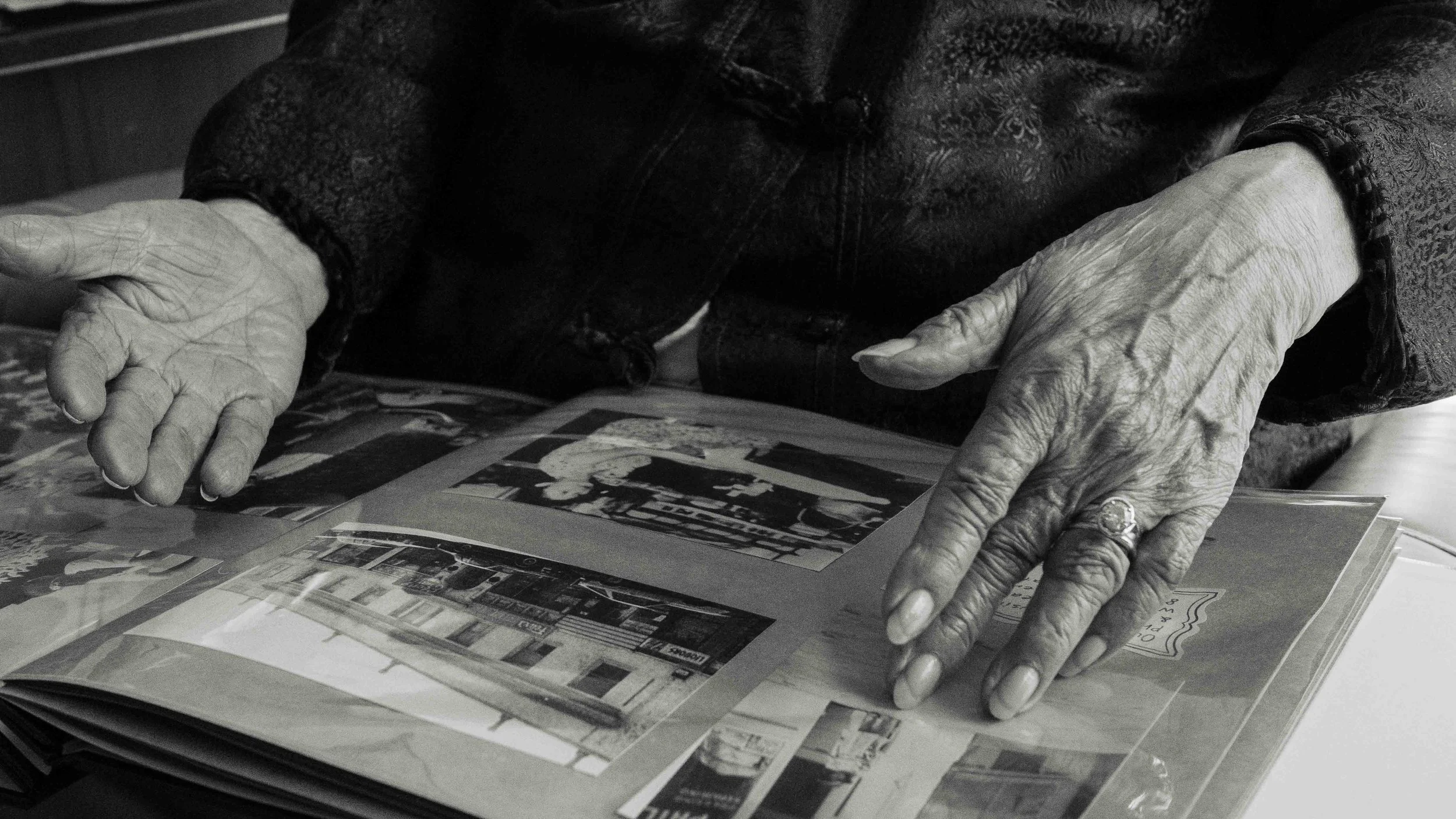
Photograph Preservation: Sorting, digitization, proper storage, duplicate removal
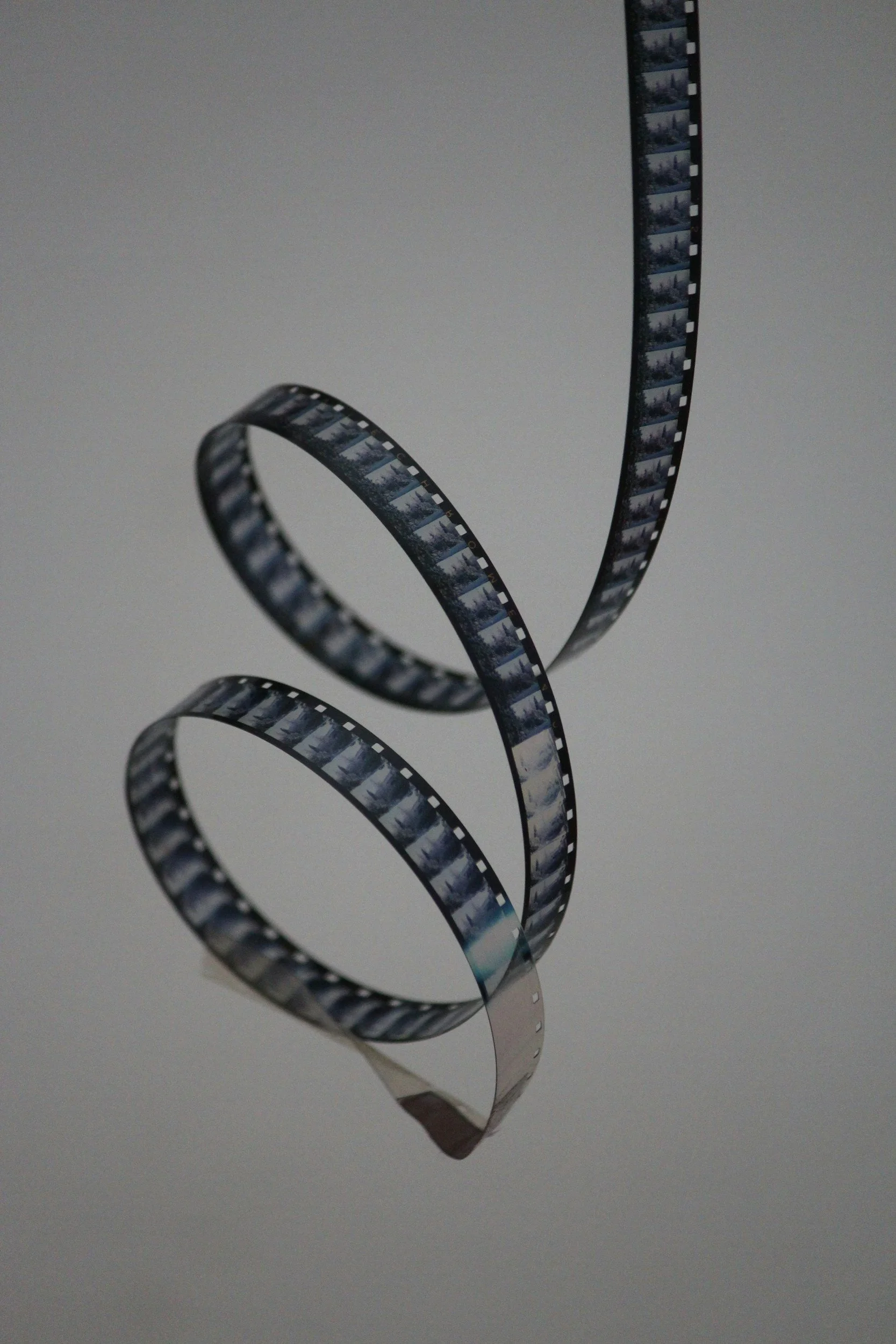
Multimedia Preservation for paper goods, VHS, audio cassettes, DVDs, CDs, film reels, hard drives, memory cards, etc.
Estate Curation: Together, we decide what should be conserved, donated, gifted, sold, or discarded.
Historical and Genealogical Research via archives, institutions, museums, government agencies, and live interviews
Discussion + Scoping for the Share Phase: Together, we will craft a custom plan to share your story.
Pricing for the Preserve Phase is highly customized based on your unique needs. In the Plan Phase, we will work with you to scope the project to your budget.
Phase Three: Present
Once your family's history has been organized and safeguarded, we can craft heirloom media and experiences that bring generations together through legacy storytelling.
This may include:
Documentary Films: Short or feature length documentary films, memorial videos, family biographies
Digital Archives: Searchable online archives, private family websites, interactive timelines, downloadable collections
Exhibitions: Family history exhibitions, celebration or memorial displays, museum-quality installations
Print Collections: Fine art prints, archival albums, family portfolios
Educational Materials: Interactive family trees, family history curriculum, podcasts, children’s educational materials
Presentations: Legacy presentations for family celebrations, memorials, or community events
Legacy Books: Family history books, photo books, cookbooks, memoirs, children’s stories
Heritage Tours: Custom itineraries or guided tours of meaningful locations, either within the U.S. or internationally.
Pricing for the Present Phase is highly customized based on your unique needs. During the Plan and Preserve Phases, we will work with you to scope the deliverables to your budget.
The Work We do
Memory Work takes many forms. We take on projects large and small: from individuals preserving their own legacy, to families and communities working with complex archival collections.
Legacy Memory Work
Whether you're organizing a personal collection, preserving the memory of someone who has passed, or creating a new story through film, we help steward your archives and preserve the legacy they hold for generations to come.
Living Elder Memory Work
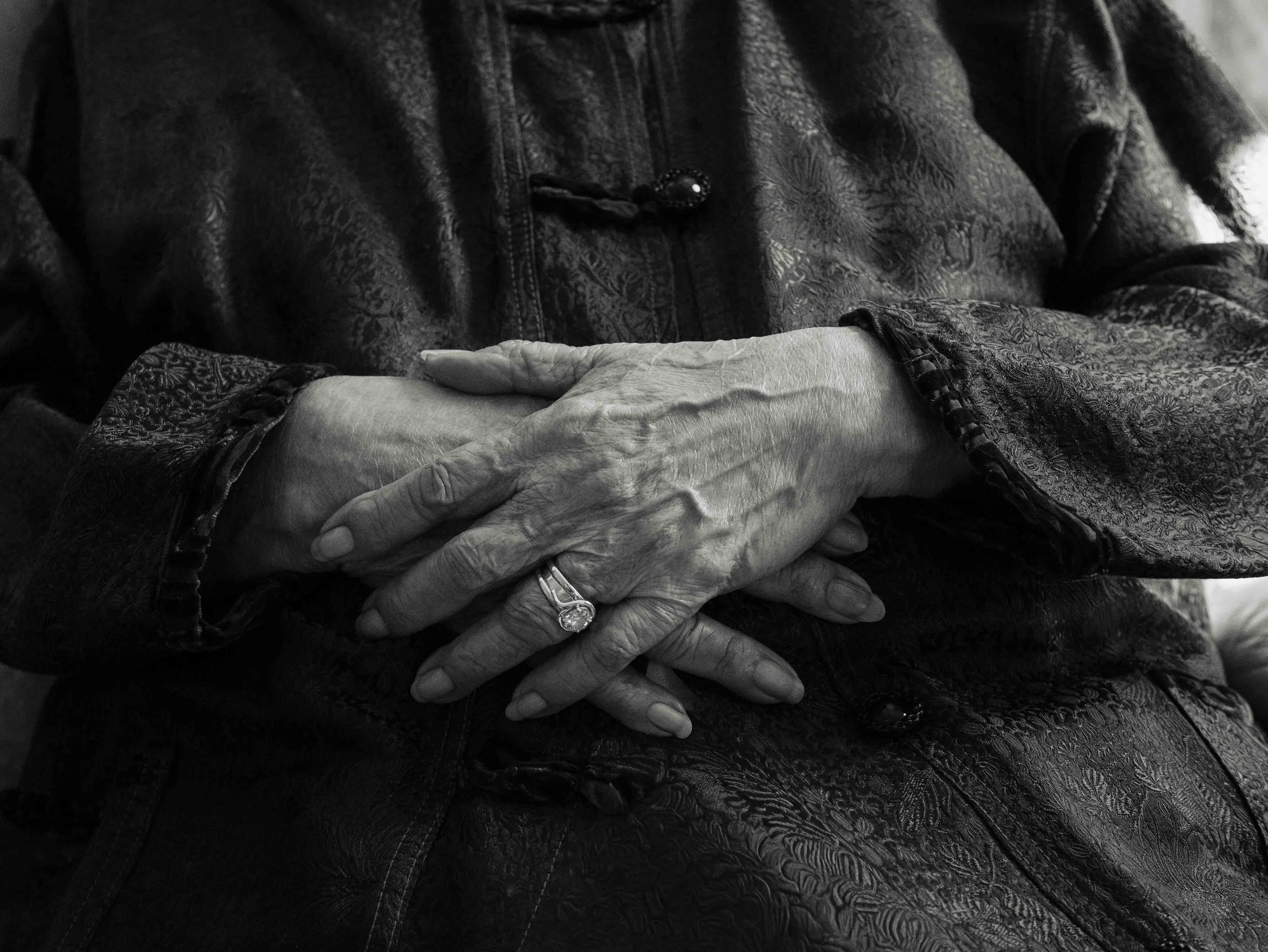
If you have an aging elder in your life, now is the time to preserve their story. Elenita specializes in interviewing elders with care and compassion, capturing the memories and wisdom they want to pass on. Paired with photography, videography, and historical research, these stories become lasting family treasures.
Family + Community Memory Work
Every family and community has a shared history worth preserving. Whether you're organizing generations of photographs, letters, and documents or documenting new stories through interviews and film, we help transform your collection into a living archive for future generations.
Ready for Memory Work?
Send Elenita an email to get the conversation started.
We’ll schedule a free consultation call — a chance to chat through your goals, existing materials, and the steps to get started.
With a project as personal as your legacy, we promise there will never be any sales pressure — only an honest conversation about whether Memory Work is a good fit, and how we might work together.
Our Values
Privacy
Archives hold deeply personal stories. We honor that trust by safeguarding your materials, preserving your memories with care while respecting your privacy and choices.
Respect
Every family story is shaped by its own history, culture, beliefs, and traditions. We honor each person’s experiences by preserving their memories within their own cultural context, recognizing that every story deserves to be understood on its own terms rather than measured against another’s perspective.
Consent
Every story belongs first to the person who lived it. We prioritize consent and transparency throughout the storytelling process—especially when sharing the stories of living people. We strive to ensure that individuals have a voice in how their memories, experiences, and identities are represented, honoring their agency and dignity at every step.